-
-
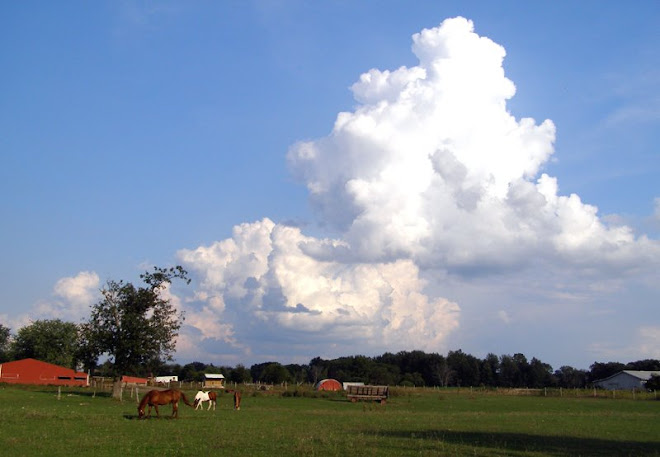
graveyard in Kinsale, Ireland
The Prisoner
I
My hand has one gesture left:
to push things away.
From the rock dampness drips
on old stones.
This dripping is all I can hear.
My heart keeps pace
with the drops falling
and sinks away with them.
If the drops fall faster
an animal might come to drink.
Somewhere it is brighter than this—
but what do we know.
~ Rainer Maria Rilke
Part II of "The Prisoner" is here
translated by Anita Barrows and Joanna Macy
For some time now the word I focus on in meditation is
free. I don't meditate daily; maybe a couple times a week. I close my eyes for a few minutes, focus on my breath, and while I exhale, I hear, see and feel the word
free. Sometimes I'm up in the sky, with birds, coasting on air currents. Sometimes
free appears as a prayer for someone. But it had not occurred to me until now that it was an unconscious "choice," this meditation word, in a time when I am bumping up against the stone walls of physical limitations for the first time in my life.
I've been slowed by hand-wrist-arm-shoulder-neck pain since December. These are repetitive strain injuries, the result of twenty years at a computer at work. I am getting manipulations by an osteopath, and learning the Alexander technique, in hopes of relieving it. Dictation software has been a mixed blessing; often I get more tension using it than not when I have to repeat a sentence many times. Last month I was also diagnosed with hypothyroidism, which accounts for some of my fatigue, and soon I'll go on the lowest dosage of medication for it, taking a prescription drug long term for the first time. I'm 55. (The natural remedies for hypothyroidism include avoiding cruciferous vegetables—broccoli, cauliflower, kale, spinach—because they block the thyroid hormone. I would rather not give these up, so I'm hoping the low dose of levothyroxine is enough to restore my metabolism and does not result in the dizzy or "drunk" feeling some people encounter. My bad cholesterol has shot up from 193 to 243, which is another reason it seems important to go on this med.)
Learning the Alexander technique from my teacher Elinore is about unlearning bad habits of hunching my shoulders, holding tension, rushing into space, pulling my head back onto my spine, affecting every movement of my body in painful ways. (
This 10 minute video explains quite well how the Alexander technique helps pupils regain balance and lightness.) For years I've thrust forward into the next thing, as if life was an emergency.
More than the pain, what bothers me most is having to slow down.
"Somewhere it is brighter than this," says the prisoner in Rilke's poem. Truly, somewhere it is much darker than this where I am. But this has taken some adjustment. I am no longer quick, and youthful. Suddenly I act like an old woman, not the plan I had when I became a grandma in January.
We just finished watching "Little Dorrit" the BBC series on Netflix DVDs. It's the Dickens story of a young woman who lives in a debtors' prison in London with her father. She was born there and knows nothing different. She even loves her life caring for her father and prefers it to the new life of wealth that comes to them suddenly. Her father Mr. Dorrit suffers daily from his imprisonment and degradation, however, believing he is worthy of something far better. But once he arrives at the
something far better, he finds no peace there either.
I take inspiration from Little Amy Dorrit. Inside the stone walls of Marshallsea Prison for Debt she angelically loves and cares for her father in spite of his irksome resistance and condescension. Like Dickens' characters often are, she is probably a caricature of what a human can really be, in this case softer and more philanthropically positive than seems possible in her situation. But even she could not adjust to the seismic changes that came with enormous wealth. We humans are creatures of habit, even when our habits keep us confined.
"We need to stop trying so hard and allow our lives to unfold naturally," says Richard Brennan in my Alexander book. For some years now I've been doing spiritual work to learn to love what is and what comes, which is helping me with this physical learning. To not "
push it away" as the prisoner in Rilke's poem, now that's the real work.
For another take on changing habits, see a new post at sparks & mirrors, "To deliver oneself up to silence."
-
-